

Every homeowner in Western New York knows the exact day in May. Furnace off, winter blankets away, windows open. It’s easily the best feeling of the year. Getting that fresh spring air moving through the house is a neighborhood ritual. But if you’re rocking old, drafty windows, you’re setting yourself up for a brutal financial hangover when the July heat hits. In fact, upgrading to energy efficient windows can transform not only comfort but also savings.
Windows matter. They aren’t just glass holes in your walls. They control how air moves through your rooms right now, and they decide how hard your air conditioner has to work later. If you’re mapping out a home renovation, thinking about how your house breathes or switching to energy efficient windows will save you thousands of dollars in utility bills down the road.
Maximum air
Most older homes around Buffalo are packed with traditional double-hung windows. You know the drill. You slide the bottom half up, and half the time the top sash slips or the screen jams. They look classic on a colonial, but they’re cutting your airflow directly in half. You’re blocking fifty percent of the potential breeze because the glass panels have to overlap.
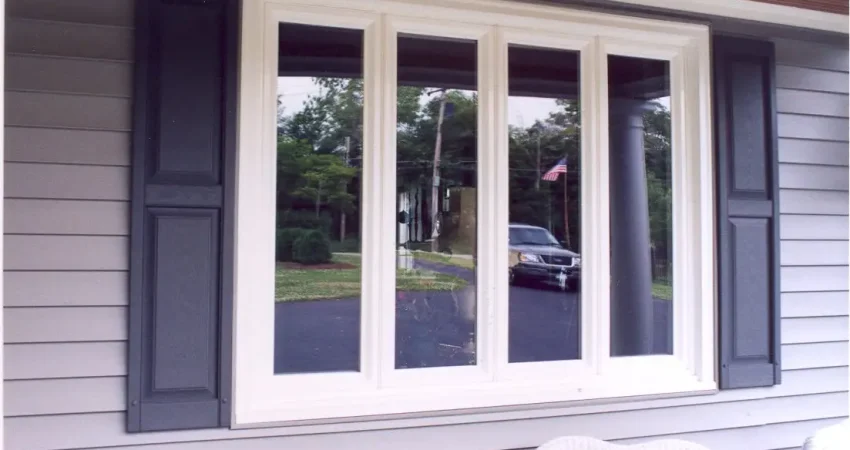
If you want real home ventilation, look at casement windows. These crank outward on a side hinge, opening like a door. Because the entire glass panel extends out into the yard, it acts like a sail on a boat. It catches air moving parallel to your house and funnels it straight inside. A room that used to feel like a stagnant cave suddenly gets a constant, refreshing cross-breeze. Even better, energy efficient windows in these styles work for every season.
Awning windows are another smart play. They hinge at the top and swing out from the bottom, creating a little glass tent over the opening. They’re perfect because you can leave them wide open during a surprise May rainstorm without worrying about water ruining your indoor woodwork. Mixing these styles lets you steer the wind exactly where you want it.
Heat out. Light in.
Opening windows in the spring is free. Keeping your house cool in July gets expensive, fast. That’s where modern glass engineering saves your wallet. You want glass that welcomes the sunlight but blocks the invisible radiant heat. Old double-pane windows just act like a greenhouse. They trap the sun’s energy inside your rooms until your AC has to run twenty-four hours a day just to keep up.
Modern energy efficient windows solve this with an invisible microscopic layer of silver oxide baked right onto the glass. It’s called Low-E coating. In the winter, it reflects your furnace’s heat back into the room. In the summer, it bounces the blazing ultraviolet and infrared sun rays right back outside before they can bake your sofa.
Pair that coating with argon gas sealed between the panes, and you’ve built a transparent insulation wall. The gas is way denser than regular air, so heat can’t travel through it easily. When the humidity spikes and you finally shut the windows and kick on the AC, your home actually holds the cold air. Your system stops turning on and off every ten minutes, which drops your energy bills and protects your expensive equipment from burning out.
Year-round sunrooms
If you love the outdoors but hate dealing with mosquitoes, humidity, and sudden downpours, a sunroom addition is the ultimate floor plan upgrade. The secret to a great sunroom is total flexibility. Don’t build solid walls. Use floor-to-ceiling casement or sliding windows instead.
In May, you can crank them all open to turn the entire space into a screened porch. You get all the sights and sounds of the backyard right inside. In the dead of summer, you shut them tight, let the energy efficient glass kill the afternoon glare, and enjoy the view in chilled comfort. But for optimal results, energy efficient windows in your sunroom make all the difference. It gives you a beautiful spot for your morning coffee or a weekend dinner party without you constantly checking the radar app. It bridges the gap between your living room and your yard perfectly.
Related Content: